
Travel enquiries, visa support, weddings, events, charter plans, and premium ground movement through one simple contact point.
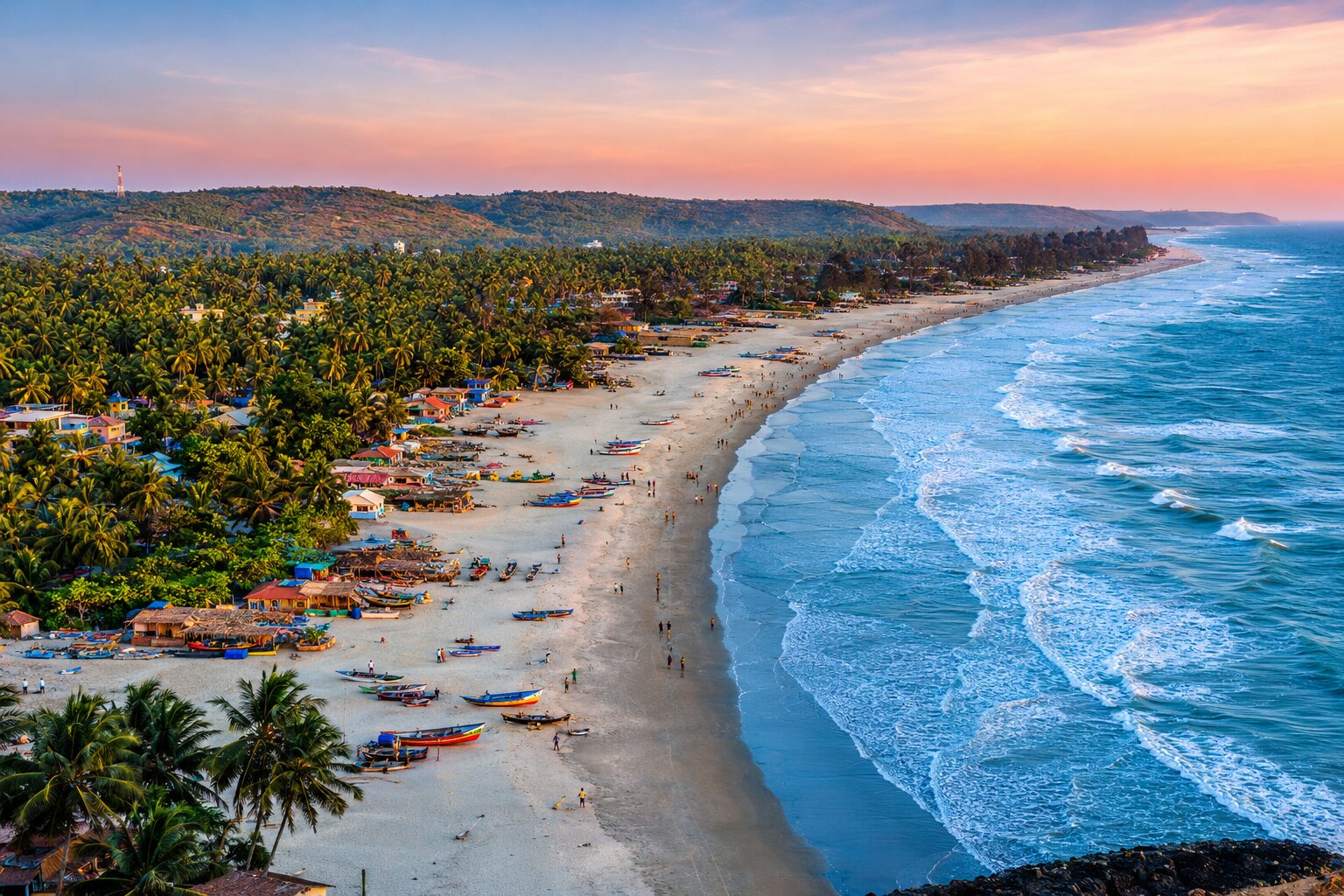
Goa is two destinations. The north — Baga, Calangute, Anjuna, Vagator — is busier, louder and built around beach clubs and nightlife. The south — Palolem, Agonda, Benaulim, Cavelossim — is quieter, spread out, and better for families and couples. Picking the wrong half is the most common Goa mistake.
Dabolim airport is the older gateway, close to the south; Mopa in the north cuts the transfer to Candolim and Anjuna considerably. Trains connect Goa with Mumbai, Delhi and the south. Within Goa, hiring a scooter is common but risky on unfamiliar roads, and app-based cabs are limited — a hired car with a driver for the day is the practical option for families.
December and the first week of January are the most expensive week of the year in Goa; the same hotel can cost double what it does in October. If you want a quiet beach holiday, avoid the north entirely. And if your trip is tied to a wedding or event, book transport early — peak-season cabs are scarce and surge pricing is normal.
See the Goa tour package for a planned itinerary, or events if you are planning a celebration there.
Travel enquiries, visa support, weddings, events, charter plans, and premium ground movement through one simple contact point.
